













December 19, 2025
How I Store My Perfume & Aftershave to Keep It Smelling Fresh

What damages perfume fastest
Perfume is a delicate balance of volatile oils and alcohol. Exposure to heat, light, air and moisture speeds up evaporation and chemical breakdown. Ultraviolet light is particularly destructive, breaking down sensitive top and middle notes and making them smell dull or sour.
According to fragrance specialists interviewed by Vogue, light and heat are the fastest ways to destabilise a fragrance’s structure. Direct sunlight is the most damaging, but even bright daylight over time can flatten a scent.
Heat accelerates evaporation, which is why bathrooms and shelves near radiators are especially risky. Very cold temperatures can also disrupt how a fragrance develops on the skin. Steam and humidity introduce moisture into bottles, reacting with fragrance oils and causing sour or metallic notes.
Air exposure plays a role too. Oxygen slowly oxidises fragrance oils, dulling their character. Loose caps and frequent opening increase this effect, while tightly sealing bottles slows it down.

Ideal storage conditions
The best place to store perfume is somewhere cool, dark and stable. Wardrobe cupboards, bedroom drawers or under-bed storage all offer protection from light and temperature fluctuations. Keeping bottles in their original boxes adds an extra layer of defence.
Experts at The Fragrance Foundation recommend maintaining a consistent temperature between 15–20°C and avoiding rapid changes. Windowsills, cars and bathroom shelves should always be avoided.
Perfume should be stored upright with the cap firmly closed. This minimises evaporation and limits oxygen entering the bottle. Scents used only occasionally last longest when left sealed in their box and stored inside a drawer.
Humidity control matters as much as temperature. In damp environments, moisture can seep into bottles and alter the scent. Using silica gel packets or sealed storage containers helps protect fragrances in humid homes.
How long perfumes really last
Most perfumes remain fresh for three to five years when stored properly. Heavier base notes such as amber, musk and woods generally last longer than light citrus or aquatic compositions. Higher concentrations like eau de parfum or extrait also tend to age better than eau de toilette.
As explained by fragrance retailers at Nearstore, storage conditions often matter more than age itself. A bottle kept cool and dark may smell excellent well beyond five years, while one exposed to light and heat can turn far sooner.
Usage frequency also matters. Each time the cap is removed, oxygen enters the bottle. Daily scents are best bought in smaller sizes, while special-occasion fragrances benefit from decanting small amounts and keeping the main bottle sealed.
Signs a fragrance has turned
Even with careful storage, perfume can eventually spoil. Common warning signs include:
- Changed scent – sour, metallic or musty notes
- Colour changes – darkening, cloudiness or separation
- Texture changes – thicker or unusually watery consistency
- Reduced longevity – scent fades far faster than it used to
Expired perfume is rarely dangerous but often unpleasant. If irritation occurs, it should no longer be worn. Some turned fragrances can still be used as room or wardrobe sprays.

Conclusion
Keeping perfume and aftershave smelling fresh comes down to mindful storage. Protect bottles from light and heat, keep them upright with caps tightly sealed, and avoid humid environments like bathrooms. These small habits dramatically extend the life of your fragrance wardrobe.
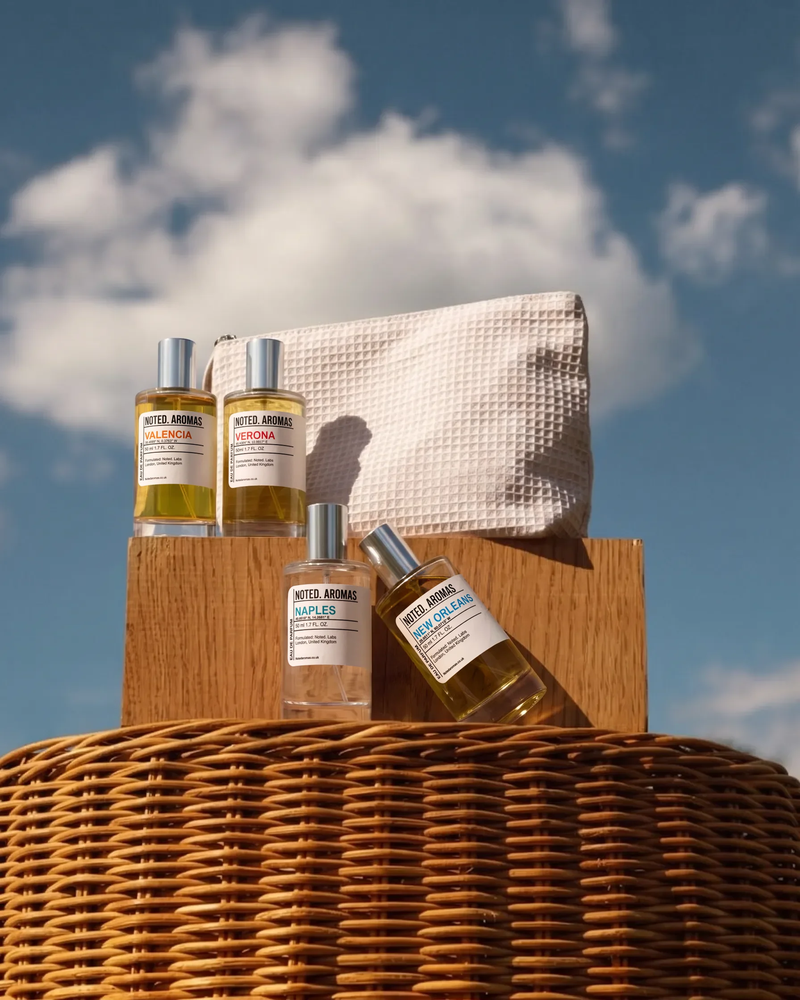
If poor storage has compromised a favourite scent, it may be time to rebuild your collection. Noted. Aromas offers replacement bundles that make it easy to refresh your signature scents and start again on the right footing.


