











December 19, 2025
How I Make My Perfume Last Longer Without Reapplying

Perfume is meant to be a fleeting pleasure, yet few things are more frustrating than spending your hard-earned pounds on a beautiful fragrance only for it to vanish by lunchtime. Over the years I’ve experimented with different blends, skin routines and application techniques to coax more life out of my perfumes. In this guide, I’ll share what I’ve learned about why some scents fade quickly, how proper skin prep makes a genuine difference, where to apply fragrance for better longevity, and how choosing the right scent profile does half the work for you.
Why some perfumes fade faster than others
Several factors influence how long a fragrance lasts on the skin, starting with how the scent itself is constructed. Light top notes such as citrus fruits and delicate florals are made from smaller molecules that evaporate quickly, creating a beautiful opening before disappearing. In contrast, base notes like woods, resins, amber, musk and spices are heavier and designed to linger.
Concentration also plays a major role. According to fragrance professionals interviewed by Vita Daily, higher concentrations of perfume oil result in deeper, longer-lasting scents. Eau de toilette typically lasts a few hours, while eau de parfum and extrait formulas are designed to stay noticeable well into the day.
Skin type matters too. Oily skin tends to hold fragrance for longer because natural oils help anchor scent molecules, while dry skin allows fragrance to evaporate more quickly. Climate, stress levels and even diet can subtly affect how a perfume wears, which explains why the same scent can behave very differently from one person to the next.
Skin prep that actually works
If perfume fades quickly on you, your skin routine is the first place to look. Well-hydrated skin gives fragrance something to cling to, reducing evaporation. Applying an unscented moisturiser or body oil before spraying creates a smoother surface that helps lock scent in.
I’ve found that applying fragrance shortly after showering, while the skin is still slightly damp, significantly improves longevity. This approach is widely recommended by fragrance experts and supported by studies on evaporation and scent retention.
Storage also matters more than most people realise. Heat, light and oxygen can degrade fragrance over time, flattening the scent and reducing how long it lasts. Keeping perfume bottles in a cool, dark place rather than a steamy bathroom helps preserve their original composition.
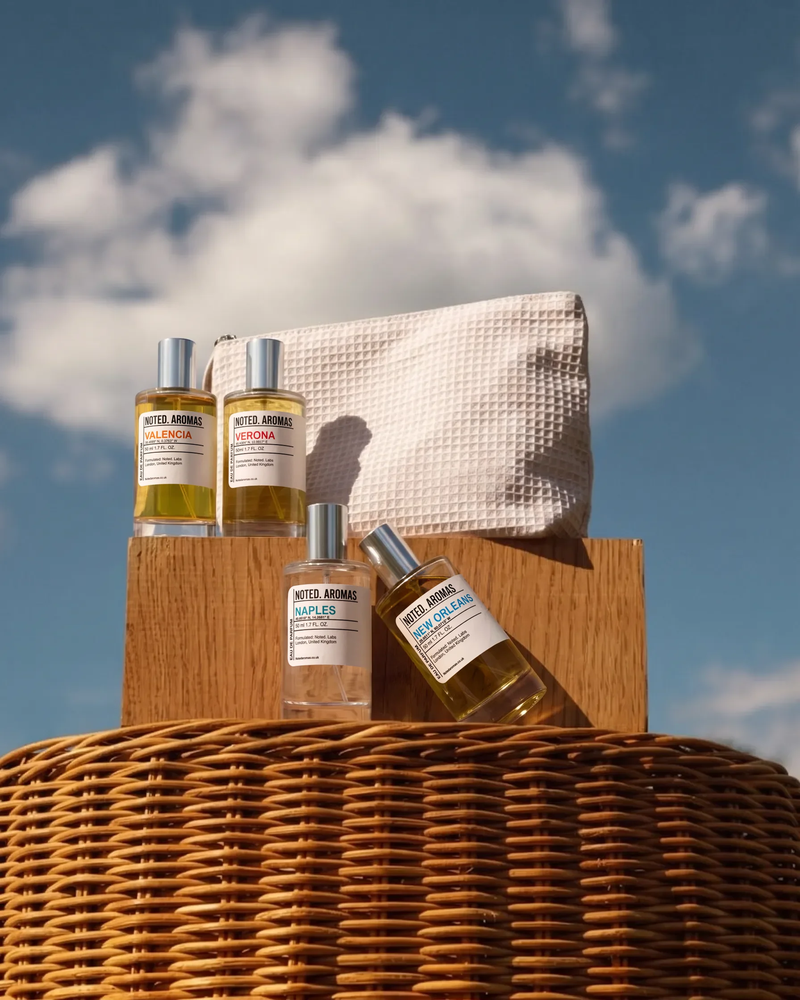
Layering products from the same scent family is another effective technique. Using a matching body lotion or wash helps trap fragrance oils within the skin’s moisture barrier. Noted. Aromas offers fragrance bundles that make this kind of layering easy and consistent.
Where I apply fragrance for longevity
Application points make a noticeable difference. Pulse points such as the wrists and neck generate heat, which helps fragrance project, but that same warmth can cause faster evaporation. To balance projection with longevity, I apply fragrance to both warm and cooler areas, such as the forearms or upper chest, where scent tends to fade more slowly.
Fragrance experts writing for Vogue also recommend experimenting with areas like behind the knees, along the collarbone, or lightly misting hair or scarves to create a softer, longer-lasting scent trail.
One habit worth breaking is rubbing your wrists together after spraying. According to perfumer Francis Kurkdjian, the friction heats the skin and disrupts the structure of the fragrance, causing top and middle notes to fade faster. Instead, spray lightly and let the perfume dry naturally.

Choosing the right scent profile
If longevity matters to you, choosing the right scent profile is essential. Fragrances built around strong base notes such as vanilla, amber, oud, musk and woods naturally last longer because their molecular structure allows them to cling to the skin.
It’s also important to select a concentration that suits your lifestyle. Lighter formats work well for daytime or office wear, while richer concentrations are better suited to long days or evenings when you want your scent to stay present without reapplying.
Personal skin chemistry plays a role too. Skin pH can influence which notes are amplified and how long they last. Sampling fragrances on your own skin before committing is the best way to understand how a scent will behave on you.
Noted. Aromas offers sample bundles and discovery options, allowing you to explore different scent profiles without committing to a full bottle. Once you find a favourite, their body and home range lets you extend that scent experience through lotions and home fragrance.

Conclusion
Making perfume last longer isn’t about over-spraying or chasing unrealistic claims. It comes down to understanding fragrance composition, preparing the skin properly, applying scent strategically and choosing profiles that work with your natural chemistry.
With the right approach, your favourite fragrance can evolve beautifully throughout the day without the need for constant reapplication. And when you’re ready to build a cohesive fragrance routine, exploring Noted. Aromas’ bundles and body & home range is a simple way to make every spray work harder.


